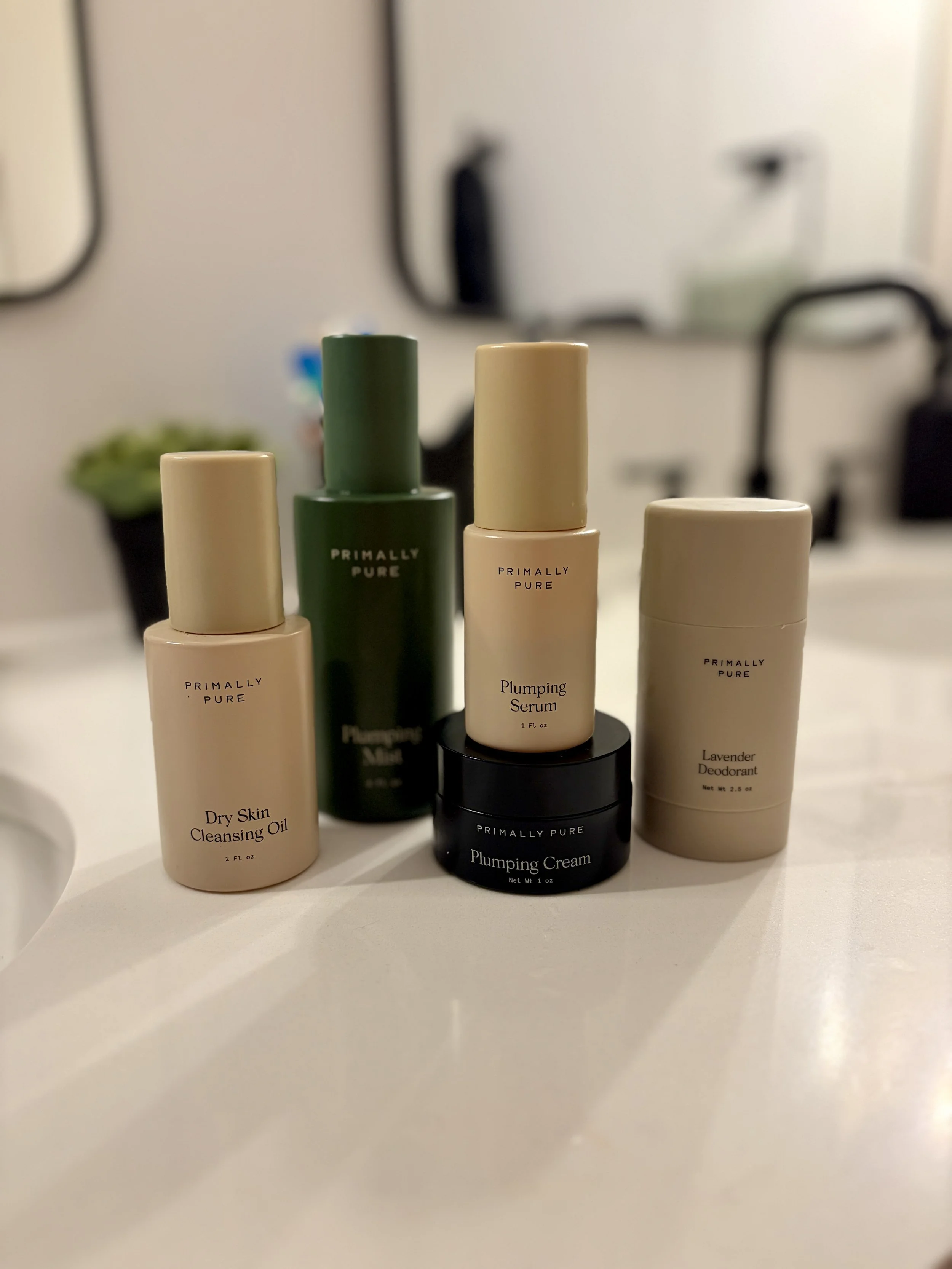
Sustainable Brands I Love: Primally Pure
I’ve been using Primally Pure’s skincare consistently for the last two years, and it’s become one of those rare routines that feels both deeply nourishing and aligned with my values. It’s a multi-step process, but honestly it’s quite therapeutic, especially at the end of the day before bed.
In a saturated world, it’s skincare that really works and is thoughtfully made from the ground up. Simple ingredients. Honest sustainability.
And it’s pretty convenient that Primally Pure’s tagline taps into our world of mindfulness:
“Mindfully made skincare. Sourced from animals and plants.”
And unlike a lot of “clean beauty” marketing, this one holds up. Their formulas are intentionally simple, rooted in traditional ingredients, and designed to support the skin’s natural function, not override it with fillers or fragrances (no thx.)
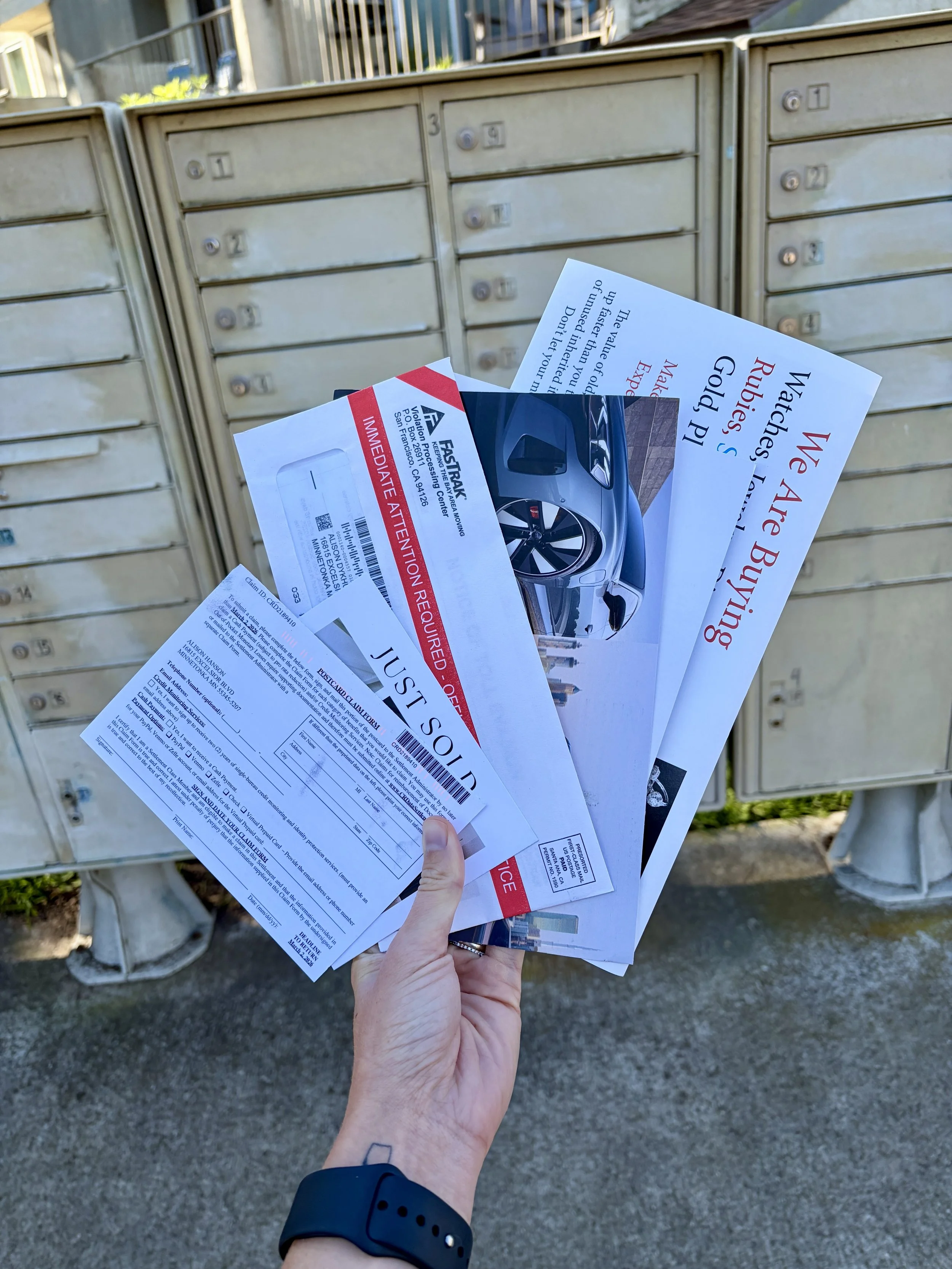
Why Junk Mail Drives Me Nuts (And Why It Should Bug You Too)
One of my biggest pet peeves is junk mail.
According to the EPA, the average American household receives around 40 pounds of junk mail every year. It’s such a waste of resources — trees, ink, energy, emissions from delivery trucks, and then more energy to recycle it (or worse, it ends up in the landfill). And all of that for something most of us toss straight into the recycling bin without a second glance.
As a former small business owner, I get the need to market your business. Visibility matters. But as a lover of planet Earth, in my opinion: mass mailers, oversized catalogs (!), flyers, and promo postcards are not it.
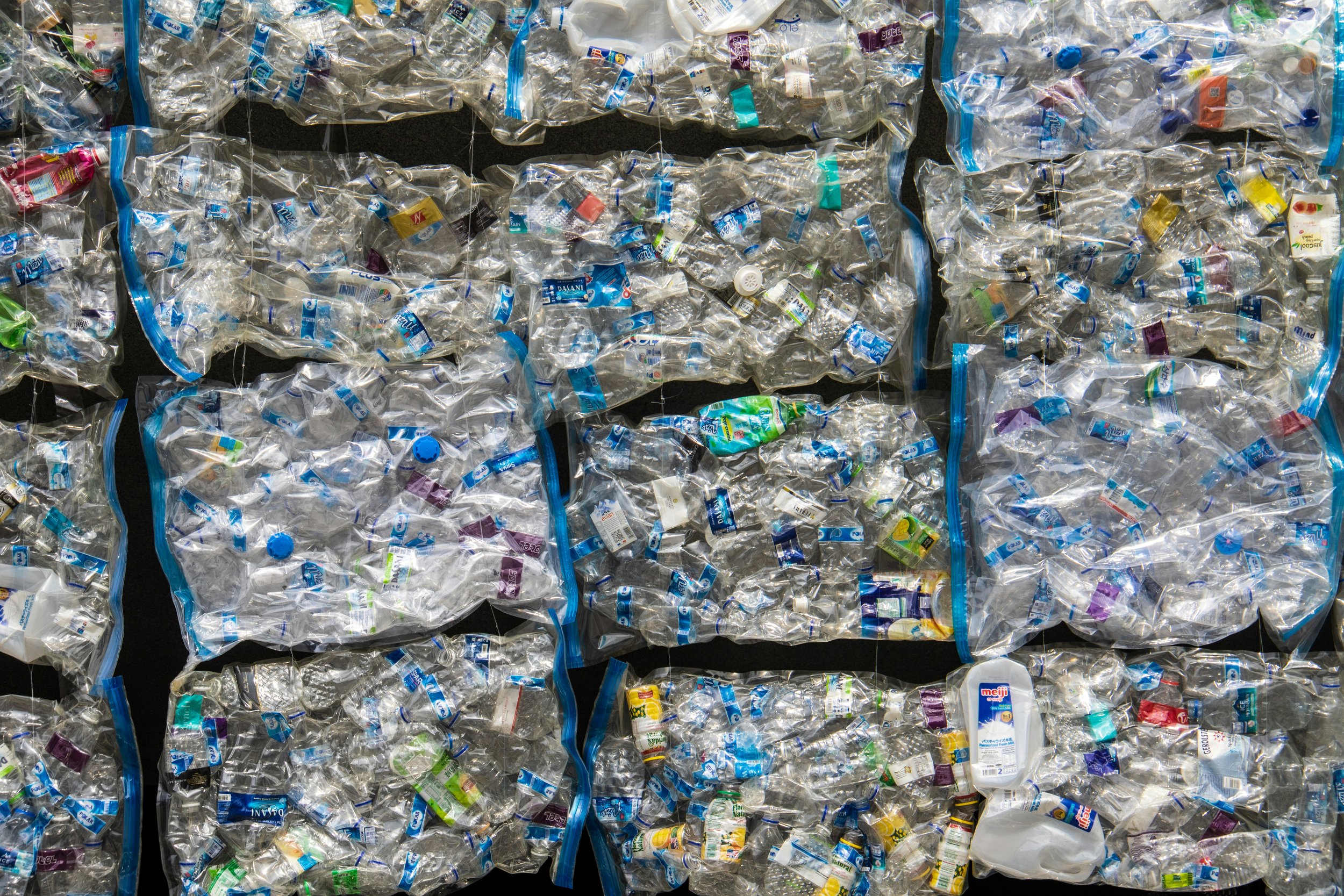
Decoding the Numbers on Plastics: What They Really Mean for Recycling
Have you ever flipped over a plastic container and seen a number inside the little triangle? It looks like a recycling symbol, but unfortunately (and confusingly) that number doesn’t mean the item is recyclable. It’s actually a resin identification code that tells you what kind of plastic the item is made from - and not all plastics are created equal when it comes to recycling.
Let’s break it down: