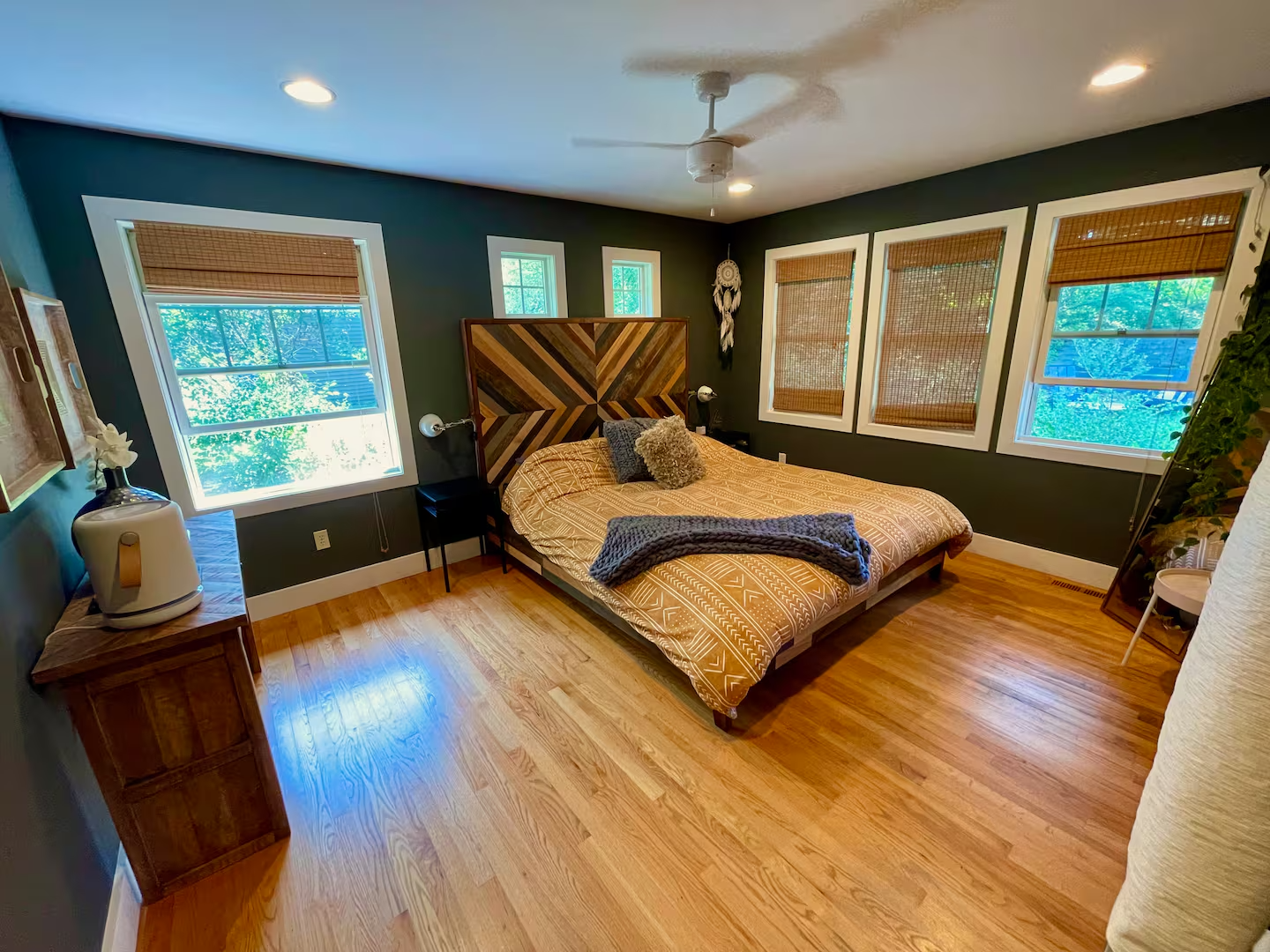
5 Approachable Swaps for a More Mindful Bedroom
The bedroom is one of the most overlooked spaces when it comes to mindful living — not because it doesn’t have opportunity for impact, but because there are fewer products, fewer decisions, and fewer opportunities to overcomplicate things.
You don’t need to overhaul your bedroom or buy a cart full of new things. A few small, intentional swaps can support better sleep, a calmer nervous system, and a happier planet.
Here are five approachable bedroom swaps that focus on comfort, function, and ease — not perfection. ✨
Why Junk Mail Drives Me Nuts (And Why It Should Bug You Too)
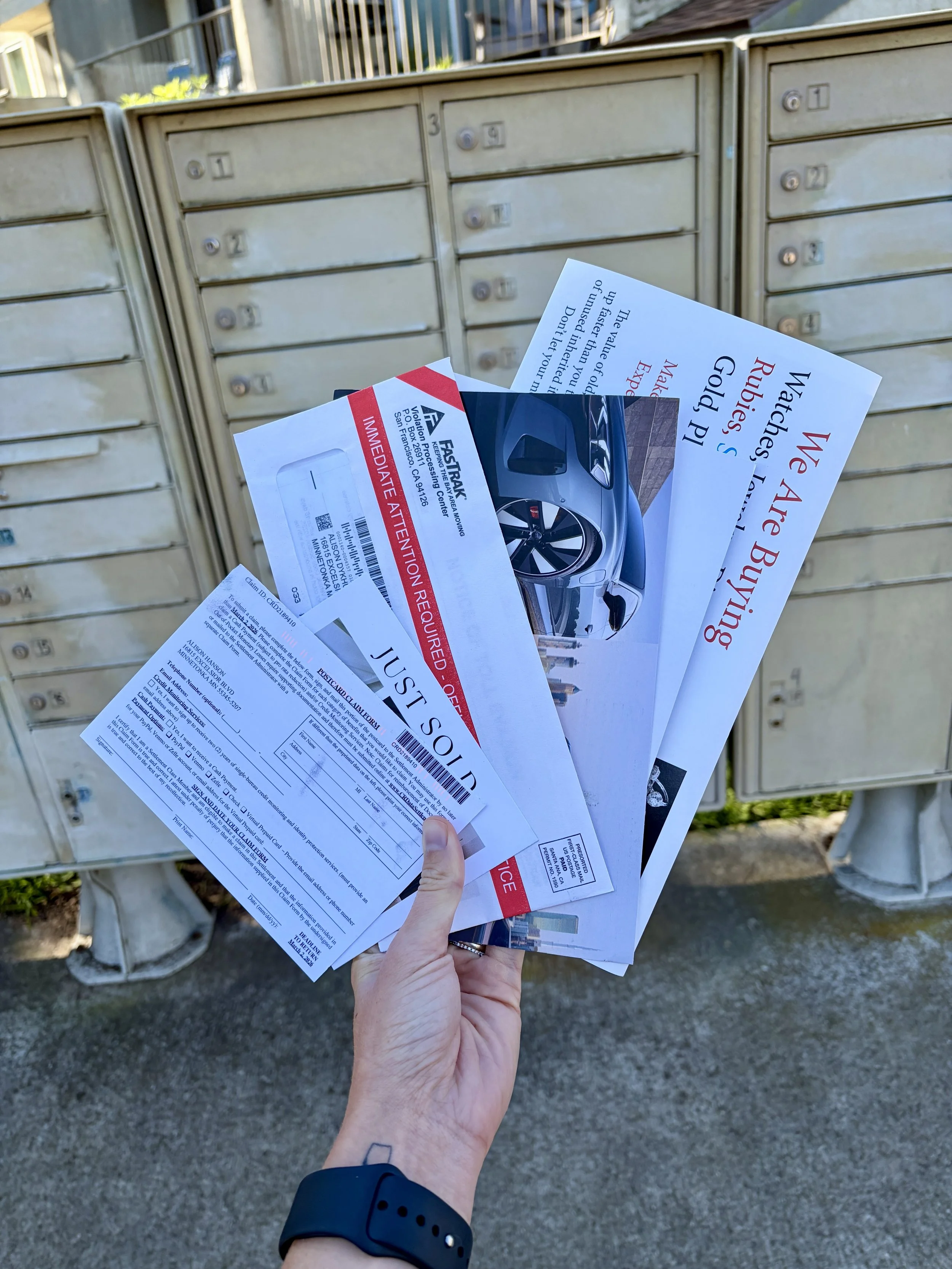
One of my biggest pet peeves is junk mail.
According to the EPA, the average American household receives around 40 pounds of junk mail every year. It’s such a waste of resources — trees, ink, energy, emissions from delivery trucks, and then more energy to recycle it (or worse, it ends up in the landfill). And all of that for something most of us toss straight into the recycling bin without a second glance.
As a former small business owner, I get the need to market your business. Visibility matters. But as a lover of planet Earth, in my opinion: mass mailers, oversized catalogs (!), flyers, and promo postcards are not it.
The 2026 Conscious Consumer Checklist: What Actually Matters (And What Really Doesn’t)
Let’s be honest: being a “good” consumer has started to feel like a full-time job (or at least a very committed side hustle). Reusable this. Compostable that. A new eco swap every time you open Instagram (maybe even from The Mindful Edit!). And while many of these small, everyday choices do absolutely matter — especially when they’re accessible and fit naturally into our lives — the constant stream of “do this better” can start to feel overwhelming, even for me.
Let’s Talk Some Trash 🗑️
How to Choose the Most Sustainable Garbage Bags (Yes, Really)
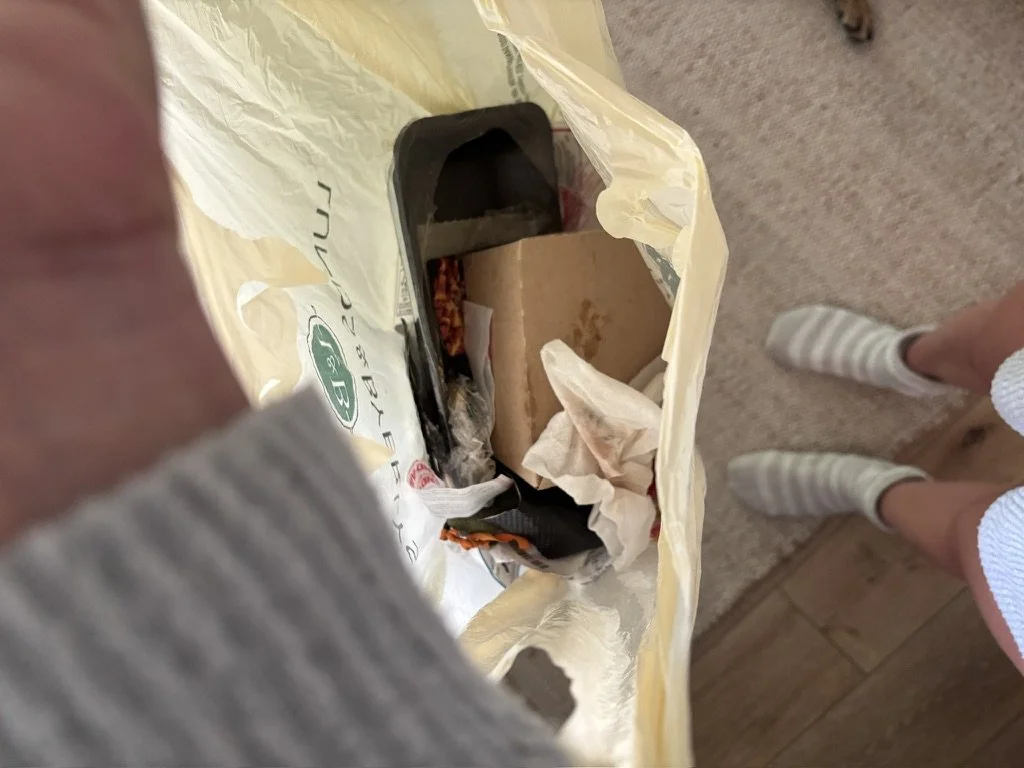
Okay friends, we need to talk trash. Specifically… the bags. This is something I’ve been wrestling with for A WHILE, so it’s time to unpack it.
If you’ve ever hovered in the store aisle or shopping online and debating between compostable, biodegradable, recycled, or whatever’s cheapest, you’re not alone. And even if you haven’t, read on. Trash bags can feel like a throwaway decision (pun intended), but they actually offer a sneaky opportunity to reduce waste before it heads to the landfill.
Let’s break it down.
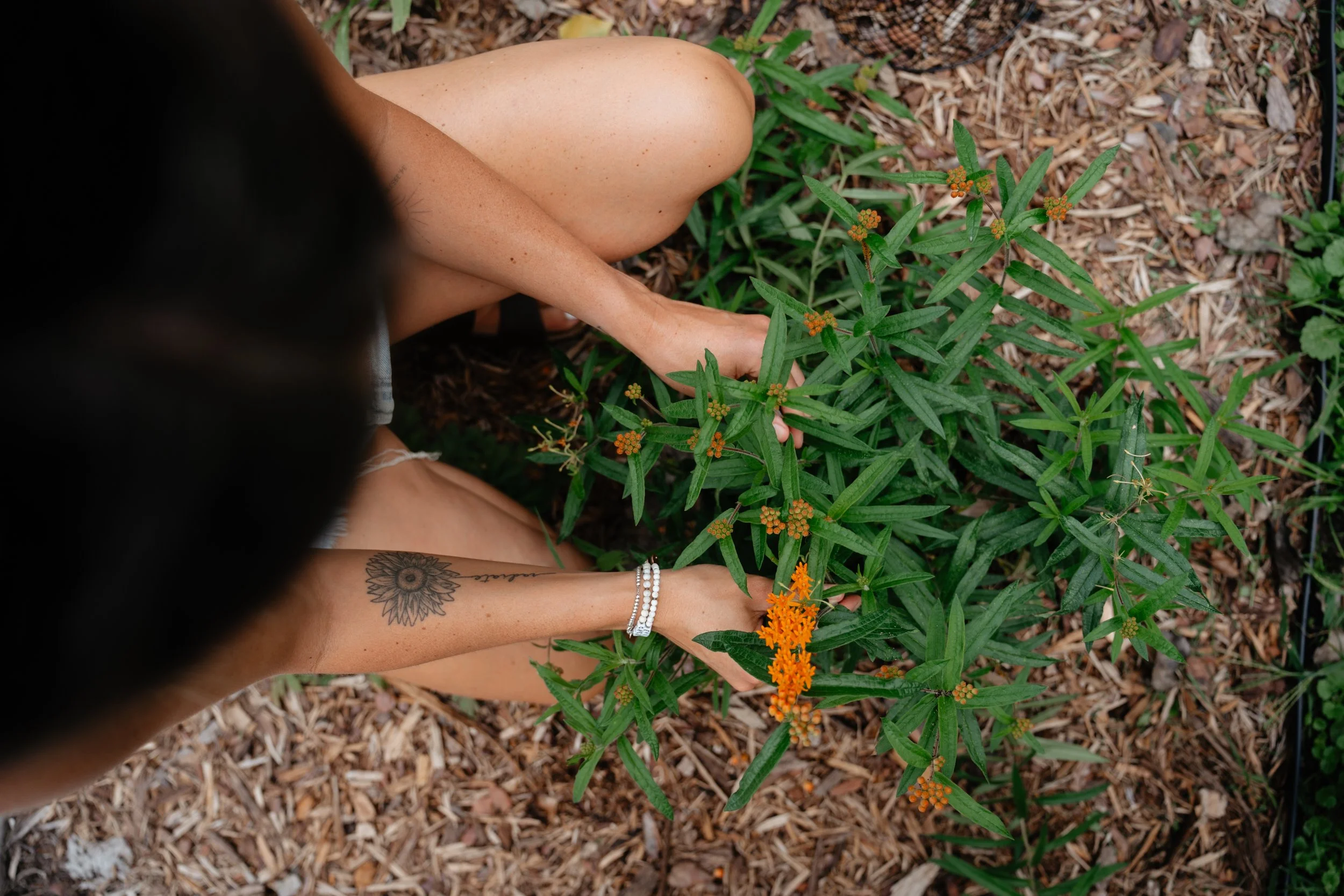
🌍 Earth-Friendly Fall Clean Up Guide
As the leaves start to change and the air turns crisp, many of us start preparing our yards and homes for the winter months ahead. Fall clean up is a tradition here in Minnesota (and many other places), but it doesn’t have to mean bagging up every leaf or sending piles of stuff to the landfill. With a few mindful choices, your seasonal reset can be kinder to the planet - and still set you up for a cozy winter ahead.
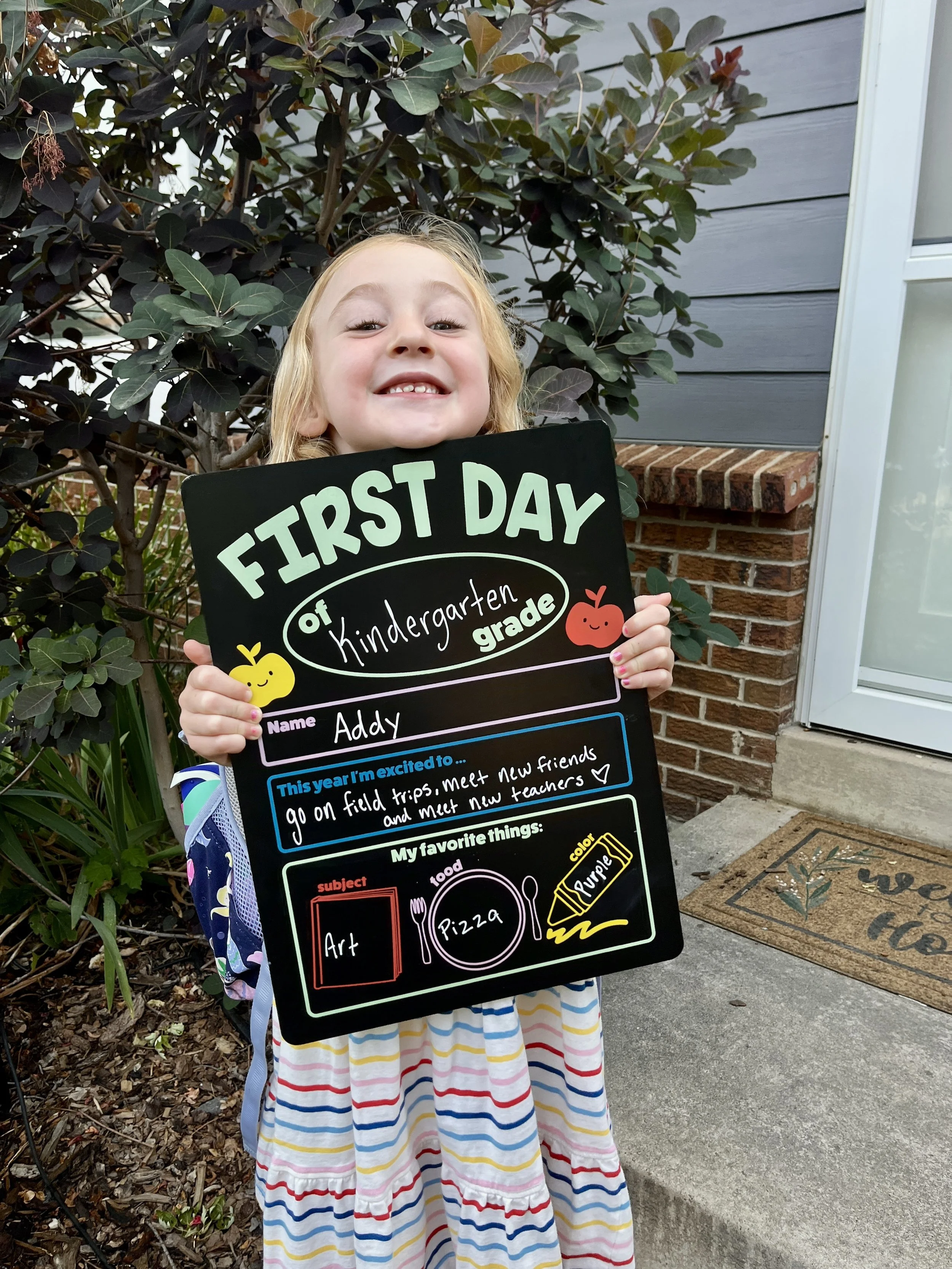
Back to School, Mindfully
As summer winds down [wild!] and the school year is in sight, it’s easy to feel the pressure, mentally and financially, to stock up on brand new everything: clothes, backpacks, lunchboxes, notebooks, and the long list of school supplies requested. But here’s the skinny: you don’t buy your way into a successful school year.
In fact, there’s a lot of power in slowing down, taking inventory, and approaching back-to-school season with a little more intention - for your wallets, for the planet, and peace of mind.
Here are a few practical, low-waste, and community-minded ways to get your family ready for the new school year - no (or limited) Target haul required.
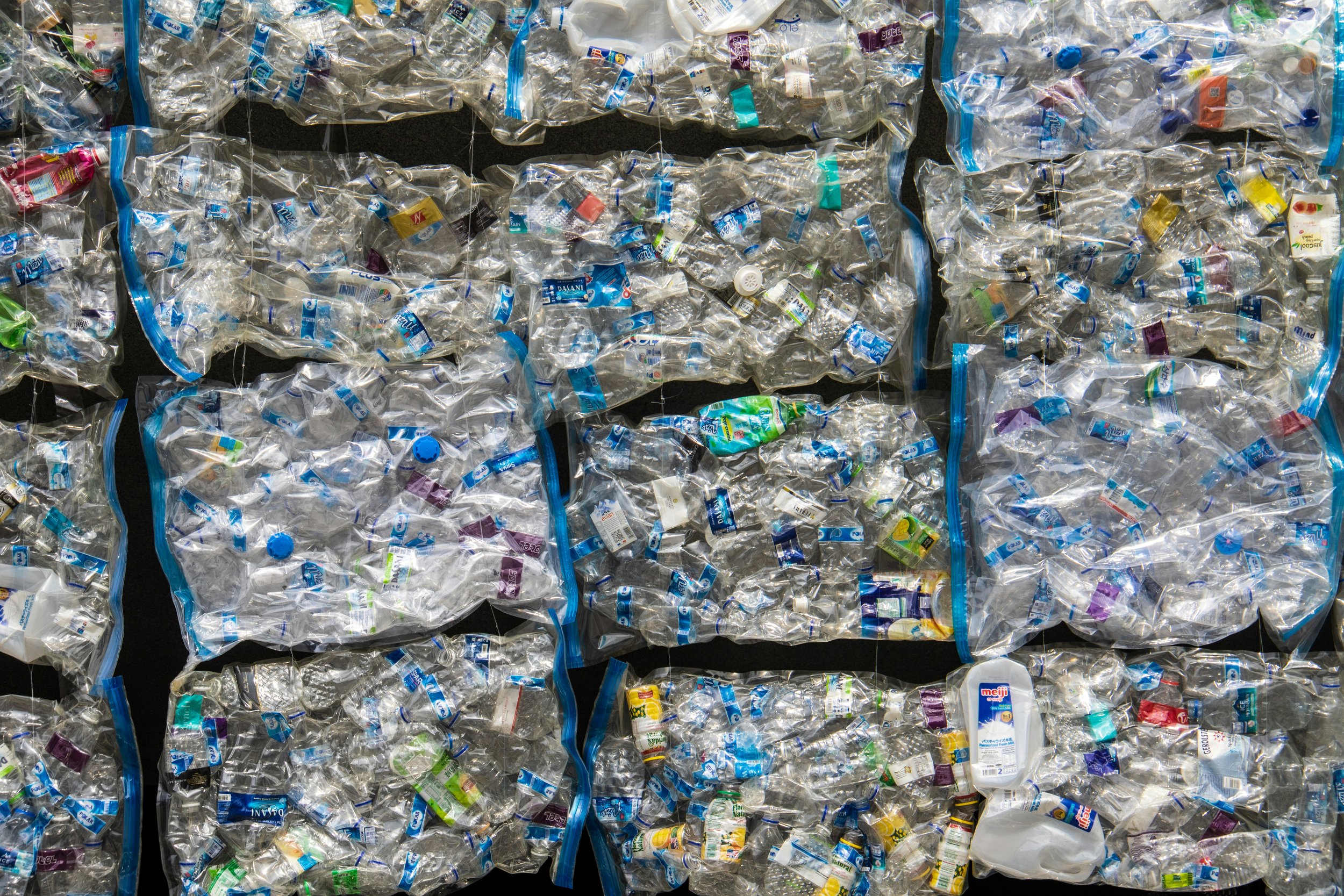
Decoding the Numbers on Plastics: What They Really Mean for Recycling
Have you ever flipped over a plastic container and seen a number inside the little triangle? It looks like a recycling symbol, but unfortunately (and confusingly) that number doesn’t mean the item is recyclable. It’s actually a resin identification code that tells you what kind of plastic the item is made from - and not all plastics are created equal when it comes to recycling.
Let’s break it down:

Welcome to The Mindful Edit!
Hi, and welcome! I’m so glad you’re here.
I created The Mindful Edit as a space to share practical inspiration for living more consciously — for ourselves, our communities, and the planet. Whether you’re just starting to explore sustainability or you’ve been on this path for a while, this blog is here to meet you where you are and encourage progress over perfection.