Sustainable Brands I Love: Ridwell
Is Ridwell worth it? Here’s why I’ve used it for years—and what actually happens to everything they collect.
If you’ve followed The Mindful Edit for any amount of time, you know I’m a little obsessed with figuring out what to do with the things that can’t go into our regular recycling bin.
Plastic film. Chip bags. Batteries. Old textiles. Random packaging that makes you stare at the recycling symbol and think, okay…but are you actually recyclable? 🤔
That’s why I’ve been a Ridwell fan for years.
My Ridwell story goes way back
I first started using Ridwell when I owned The Vine Room, my wine bar in Minnesota. 🍷 Running a hospitality business made me VERY aware of just how much waste we generate—and how many items technically have another life available to them, but only if you can actually get them into the right waste stream.
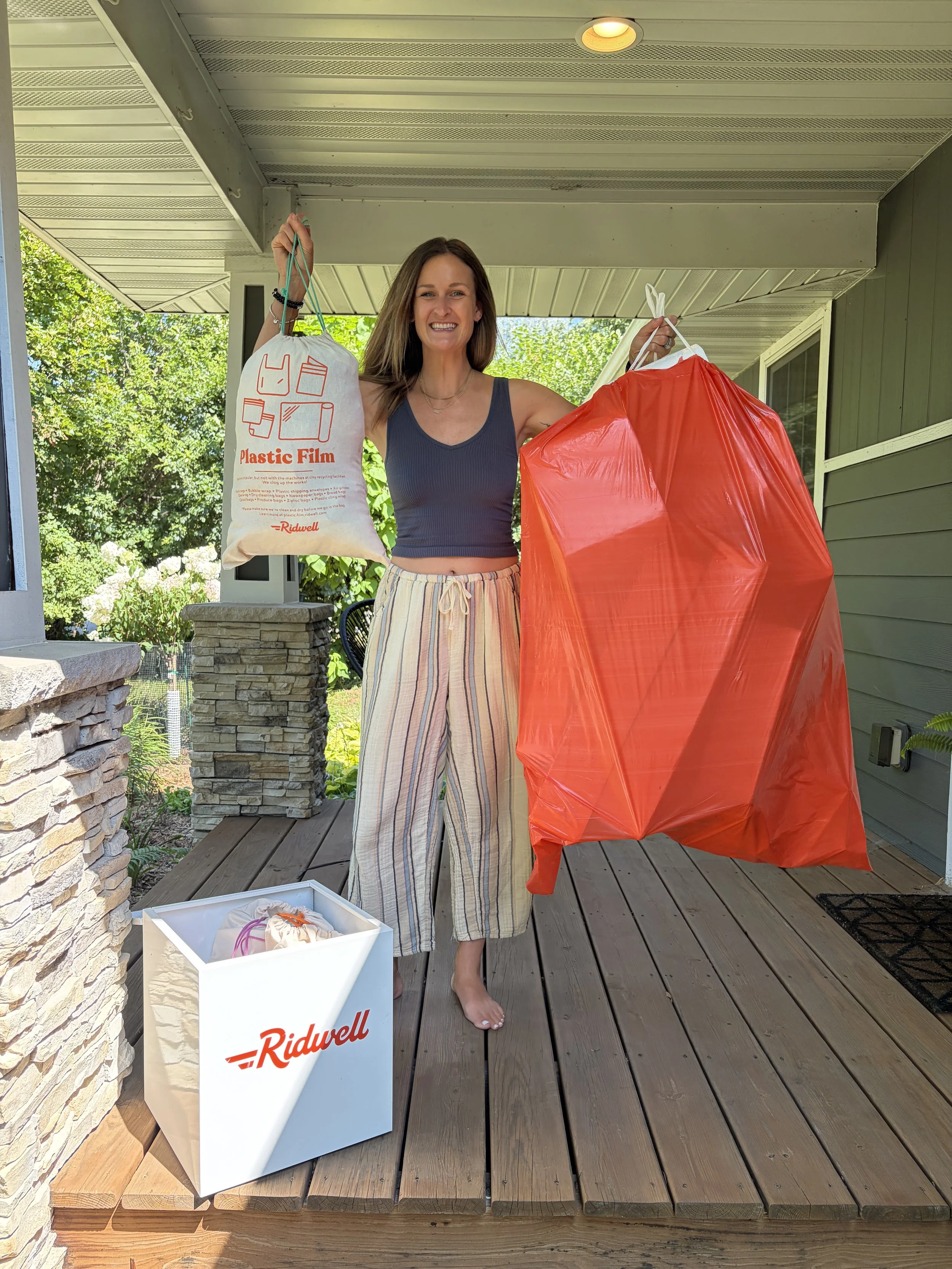
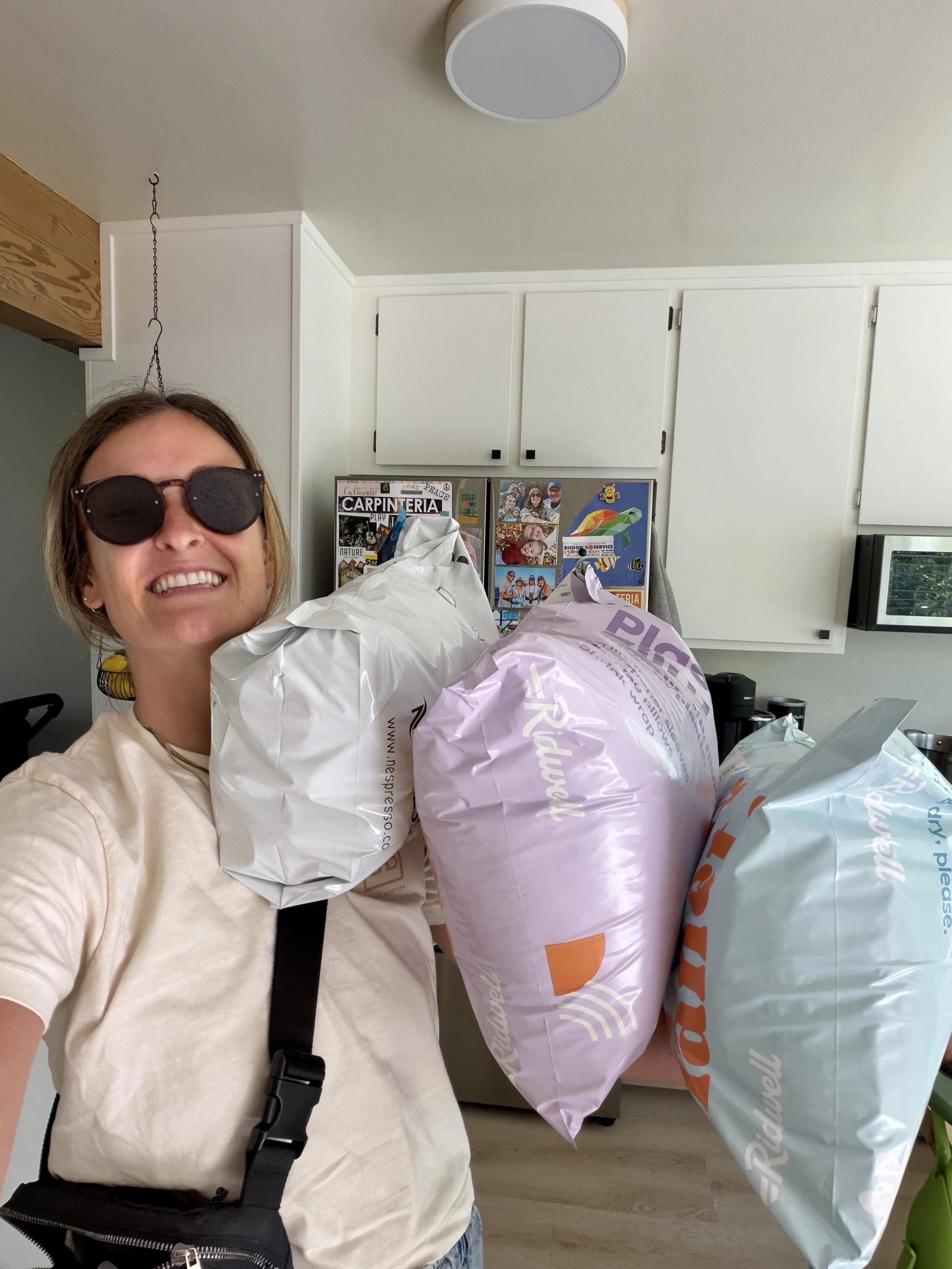
Later, when we moved to California, I switched to Ridwell’s mail-in program. And now that I’m back in Minnesota, I’m happily back to using their doorstep pickup service at our house.
So yes, this is a service I genuinely used long before I ever talked about it on Instagram.
And one of the biggest reasons I’ve continued using it is something I think is missing from a lot of the recycling conversation: transparency.
Recycling something isn't enough. I want to know where it goes.
Putting something in a recycling bin doesn’t automatically mean it gets recycled. And I know many of you think the same thing.
The infrastructure has to exist. The material has to be properly sorted. There has to be a market for it. And ultimately, someone has to actually turn that material into something useful again.
This is where I think Ridwell crushes!
Rather than simply collecting hard-to-recycle materials and leaving you wondering what happens next, Ridwell researches and vets partners that specialize in handling those materials. They also audit and track the materials they collect and publicly share information about where they go and what they become.
I LOVE that. 😍
According to Ridwell, about 97% of what its community collects gets reused or recycled. You can even see recycling and contamination rates broken down by material and market on their website. The EPA's 2018 recycling rate for plastic bags, sacks and wraps was only 10%.
So… where does it all actually go?
This is the part that I’m so enthralled by.
🫧 Plastic film → composite, wood-alternative decking
🍬 Multi-layer plastic → building and drainage materials
👚 Textiles → reused, recycled and turned into new products
💡 Lightbulbs → mercury recovered, saving SO much water from pollution
🧱 Styrofoam → reusable blocks
🔋 Batteries → new batteries
💻 And it goes beyond those categories
Depending on where you live and which Ridwell service you use, they also collect rotating and specialty categories like bottle caps, corks, e-waste…
The exact items accepted vary by location, so check Ridwell's Where It Goes page rather than assuming something belongs in your bag.
Why this matters to me
I talk a lot about making sustainable living easier because I don't think most of us need another list of things we're doing wrong.
We need better systems.
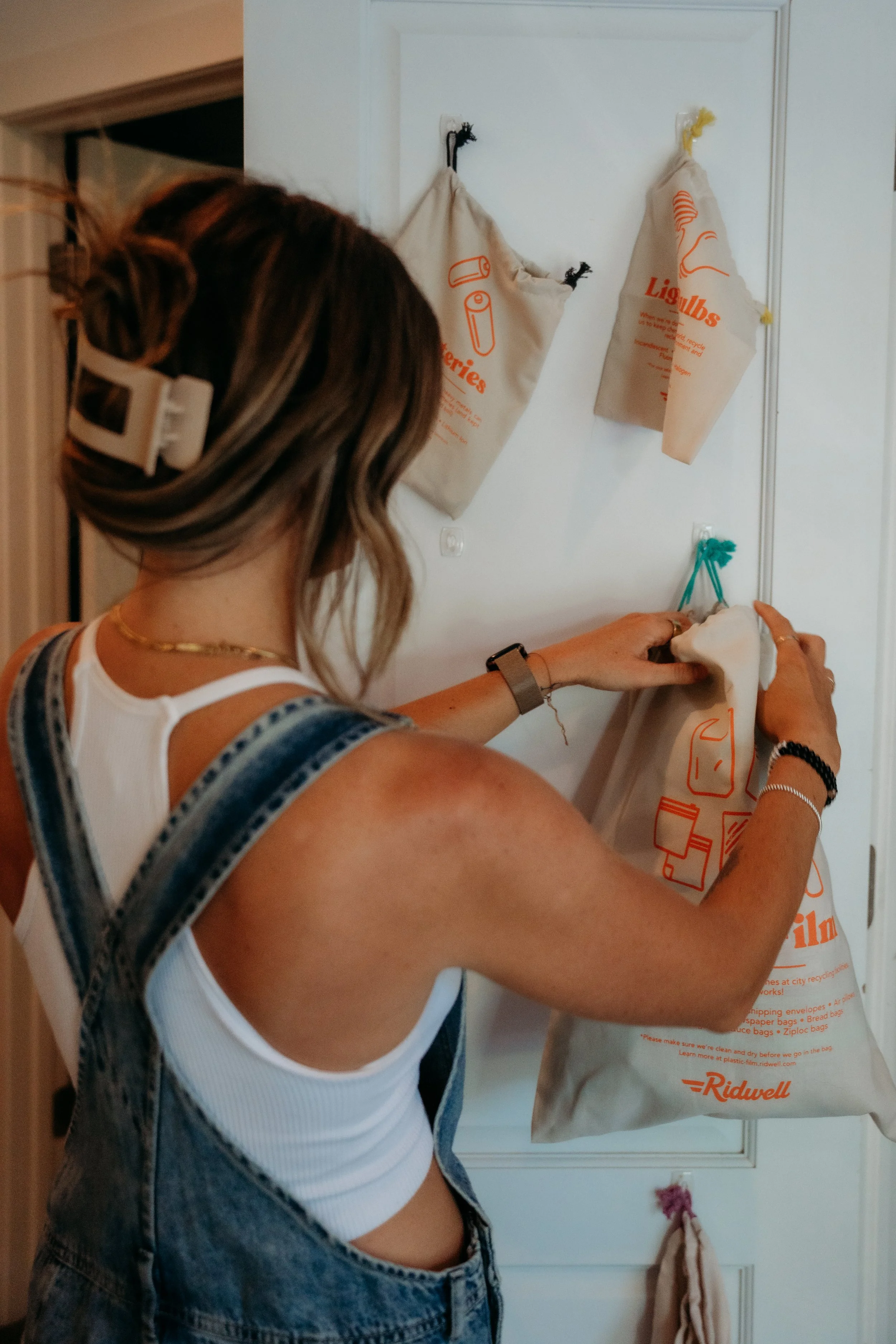
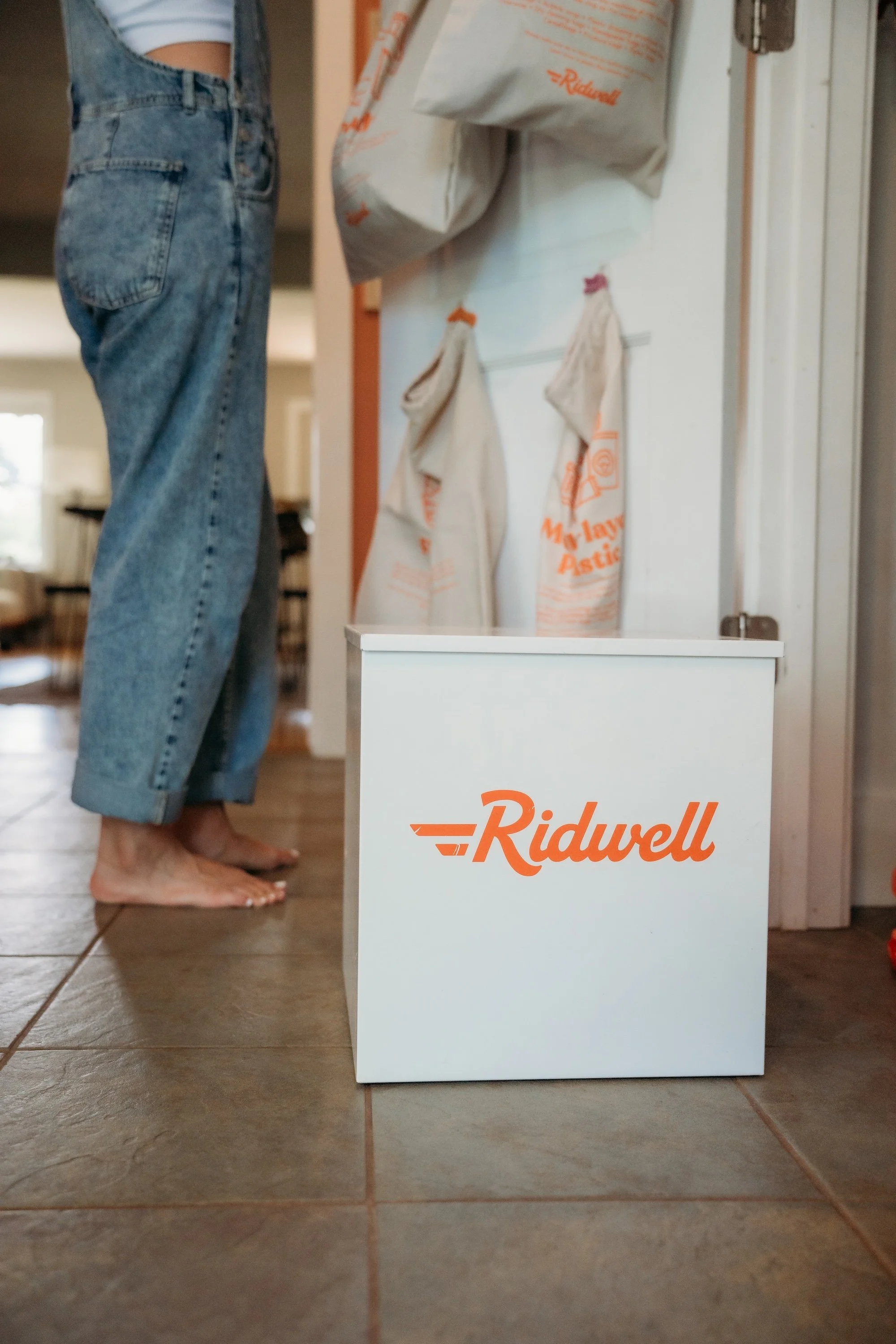
I'm always looking for ways to build sustainability into the routines I already have—and Ridwell is a perfect example. Instead of researching a drop-off location every time I accumulate a weird waste item, I have a system at home. I sort it as I go, fill the bags, and Ridwell handles the next step.
That's a pretty small behavior change with the potential to divert a LOT of material over time (and reduce your trash bill).
That's ultimately why I've stuck with Ridwell for years. It makes doing the better thing easier—and gives me greater confidence that the things I divert actually have somewhere to go.
small changes, BIG impact. 💛
Want to learn more?
Try it out for free for a month! And let me know how it goes.
With less waste and LOTS of love,
Ali